Home › Private Road and Lane Paving
Keep your shared access reliable with expert private road paving in Norfolk, VA. We build strong bases, manage drainage, and pave smooth lanes that handle daily traffic and changing weather.
Precision Asphalt Norfolk provides professional private road paving throughout Norfolk, VA, Virginia and the surrounding area. Our licensed, insured crew delivers safe, clean, on-time work with a free estimate before anything begins. Call (757) 908-3635 or request your free quote.
Private Road Paving for Norfolk Homes, Farms, and Businesses
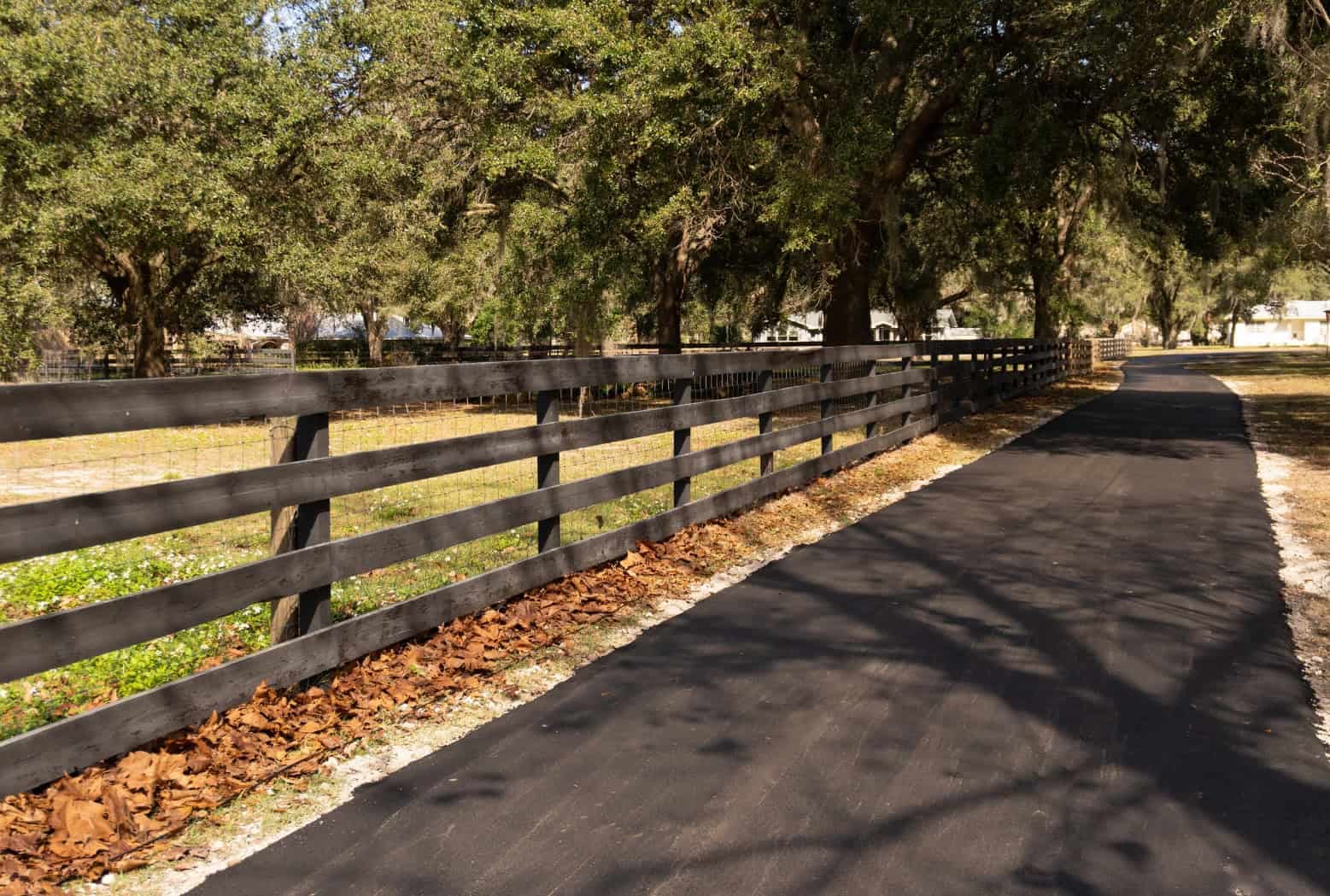
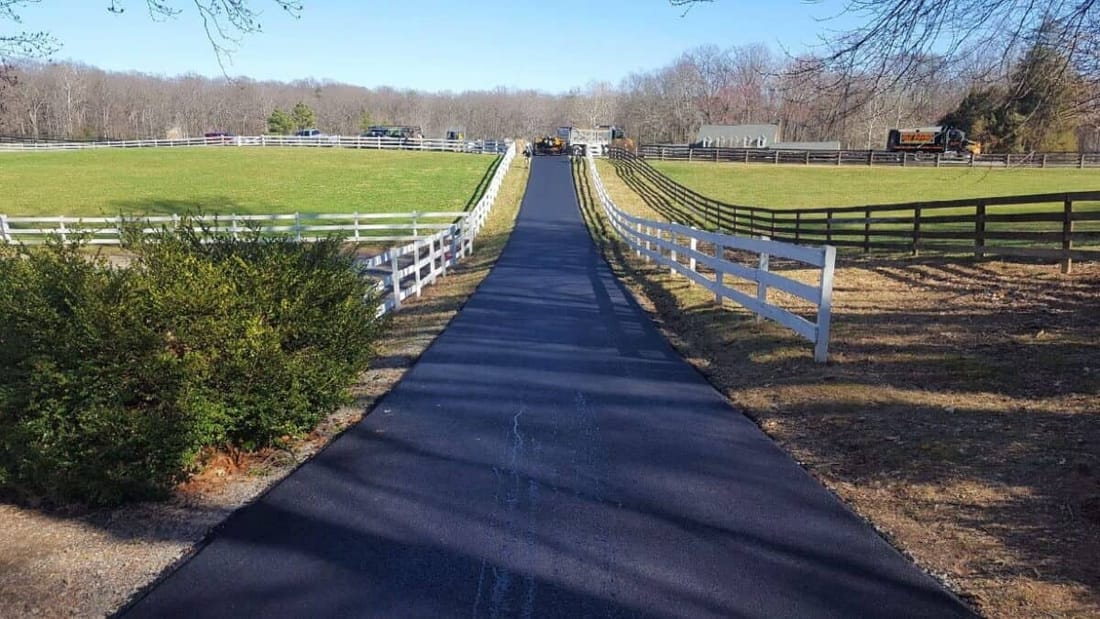
In Norfolk and the surrounding Tidewater area, many homes, small farms, waterfront properties, and businesses rely on long private roads and shared lanes. Precision Asphalt Norfolk focuses on private road paving that fits the way people actually use their property in this region, from narrow access lanes off Hampton Blvd to shared gravel drives in rural-feeling pockets near the North Carolina line.
Private road paving is different from paving a city street. There are no standard municipal specs, so the design has to be tailored to your soil, traffic, and drainage. We start by asking how the lane is used. Is it mostly passenger vehicles, or do you have delivery trucks, horse trailers, or landscaping equipment coming and going? Is the road shaded and often wet, or exposed and dry? These local details shape everything from base thickness to asphalt mix so your new road does not rut, pond water, or break apart at the edges.
Our goal is a road you rarely have to think about. That means no recurring potholes after every nor’easter, no washouts in the low spots, and a clean edge that does not crumble when someone pulls off to let a neighbor pass.
Site Visit and Planning for Your Private Lane
Every private road paving job with Precision Asphalt Norfolk begins with a site visit. We walk the full length of your drive or lane, not just the worst spots. In older Norfolk neighborhoods, we look for shallow utilities, tree roots from mature oaks, and tight property lines. In more rural stretches toward Pungo and Hickory, we pay close attention to soft soils and ditches that carry stormwater.
During the visit we measure the road width, slope, and any blind curves. We note pinch points where emergency vehicles or delivery trucks may have trouble turning. If you share the road with neighbors, we ask how many vehicles use it daily and whether large trucks like oil delivery or waste collection use the lane. These details help us recommend a pavement structure that will hold up instead of a “thin and cheap” approach that fails quickly.
We also look at drainage in real time. In Norfolk, the water table is high and many properties see standing water after heavy rain or a coastal storm. We identify low spots where we might need to raise the road, add swales, or clean ditches so water has a place to go instead of sitting beneath the new asphalt. When the planning is done right, your private road will shed water quickly instead of developing cracks and potholes from trapped moisture.
Grading, Base Preparation, and Dealing With Soft Tidewater Soils
Long-term performance of a private road is mostly determined by what happens before the asphalt truck ever arrives. Tidewater soils around Norfolk can be soft, silty, and easily saturated, especially closer to marshes and creeks. That is why Precision Asphalt Norfolk puts extra attention into grading and base preparation.
We begin by stripping organics such as topsoil, roots, and old vegetation from the roadbed. If your current drive is gravel, we evaluate whether that stone can be reused or needs to be supplemented. Areas that pump underfoot or develop ruts after rain often need undercutting. That means we remove several inches of soft material and replace it with compacted crushed stone that can support vehicle loads.
Once the subgrade is stable, we install an appropriate base layer. For most private lanes that see cars and light trucks, this is typically 4 to 6 inches of compacted crusher run stone. For heavier use, such as farm equipment, boat trailers, or small commercial traffic, we may recommend 6 to 8 inches. The stone is placed in lifts and mechanically compacted to reach the necessary density.
Grading is done to create a crown or cross slope so water runs off the surface. For a narrow lane, that may mean a center crown with water shedding to both sides. For a road next to a canal, we may direct slope away from the water or toward an existing ditch. Proper grading prevents standing water, which is critical on Norfolk’s low-lying properties.
Asphalt Paving Options, Thickness, and Edge Strength
With the base ready, we bring in asphalt, typically a hot mix designed for local climate and traffic patterns. Precision Asphalt Norfolk uses mixes that handle both summer heat and occasional winter freeze-thaw cycles without excessive softening or cracking.
For most private road paving projects, we install a 2 to 3 inch compacted asphalt layer over the prepared base. Lighter-use residential lanes can often perform well with a 2 inch surface. Shared drives, lanes used by delivery trucks, and access roads to barns or workshops often benefit from a thicker section or a two-course system with a base lift and a surface lift. We will explain the options in plain terms and show you how each choice affects cost and lifespan.
Edges are a common failure point on private roads. When a driver pulls off onto the shoulder, unsupported edges tend to break away. To prevent that, we either widen the base stone beyond the pavement edge or recommend a slight shoulder of compacted stone or soil to support the asphalt. In tight areas between fences or tree lines, we may propose a slightly narrower paved width but stronger structure so the road does not crumble at the sides.
We also discuss surface texture. A private lane that slopes toward a busy road may benefit from a slightly more textured surface to reduce slipperiness when wet. Where aesthetics matter, such as a long entrance drive to a home or small business, we can run cleaner edge lines and transitions that look finished and professional.
Drainage, Runoff, and Coping With Norfolk Weather
In the Norfolk area, private road paving must be designed with standing water and coastal storms in mind. A well-built lane will not keep your property from flooding during extreme events, but it will shed water quickly and resist damage once the water recedes.
Precision Asphalt Norfolk evaluates ditch lines, culvert pipes, and natural low areas during design. If your road crosses a drainage swale, we check that culverts are properly sized and not crushed or clogged. Sometimes the most cost-effective improvement is to replace a failing culvert and regrade a short section of ditch so water flows freely.
For lanes that run parallel to tidal ditches or retention ponds, we propose cross slopes that move water to one side, then confirm that the receiving area can actually carry the runoff. On steeper segments, we may recommend additional surface thickness or minor alignment changes to prevent water from channeling down the middle of the road and cutting ruts.
We also time the work to weather conditions. Asphalt cannot be placed properly in heavy rain or on saturated base material. We schedule private road projects during suitable windows and will tell you directly if weather means we should delay for a better long-term result instead of rushing a poor installation.
Cost Drivers and Honest Recommendations for Private Road Paving
Property owners often want to know why two private road quotes can be very different. The largest cost drivers are total length, required base work, asphalt thickness, access for equipment, and drainage improvements. A short drive that needs full undercutting in wet soil can cost more per foot than a longer lane on firm ground.
During your estimate, Precision Asphalt Norfolk breaks down what is included, such as base repair, edge support, and any ditch or culvert work. If your budget is tight, we can sometimes phase improvements. For example, we might rebuild and pave the worst half of the lane now and stabilize the remainder with grading and stone so it stays serviceable until you are ready to complete paving.
We will also tell you when full paving may not be the most sensible choice. Some lightly used farm or woodland access roads are better served by regrading and adding stone, especially in very low areas that flood regularly. In those cases we explain expected maintenance needs so you can compare the long-term cost of staying with gravel versus committing to asphalt.
Our recommendations are grounded in what we see local roads doing over time. We work on follow up repairs throughout Norfolk, so we know which shortcuts fail and which details truly add life. That knowledge shapes every proposal we put in front of you.
What to Expect During the Job and After the Asphalt Cools
When you hire Precision Asphalt Norfolk for private road paving, we outline a clear schedule so you know when access will be limited. On most residential lanes, we keep at least one access route open whenever possible. For single-entrance properties, we coordinate with you to schedule paving on days when you can plan vehicle movement around our work.
The typical sequence is: site preparation and grading, base stone placement and compaction, fine grading, then asphalt paving and final rolling. You can usually drive on the new surface within 24 hours, sometimes sooner, though we advise avoiding sharp turns or parking heavy trailers on fresh asphalt for several days.
We walk the road with you after completion to point out drain paths, edge shoulders, and any areas you should keep clear of stored materials. We also discuss simple maintenance: keeping ditches open, discouraging heavy trucks from driving off the pavement edge, and addressing small issues quickly before they grow.
Because we are local, we are available to return for touch-ups, crack sealing, or small extensions if you add a new building or parking area in the future. Your private road is a long-term part of how you use your property, and we treat it as a lasting relationship, not a one-day job.