Home › Commercial Gravel-to-Asphalt Conversions
Upgrade your property with a commercial gravel to asphalt conversion in Norfolk, VA. We stabilize and grade the base, then pave clean asphalt lots that control dust and mud for customers and staff.
Precision Asphalt Norfolk provides professional commercial gravel to asphalt throughout Norfolk, VA, Virginia and the surrounding area. Our licensed, insured crew delivers safe, clean, on-time work with a free estimate before anything begins. Call (757) 908-3635 or request your free quote.
Commercial Gravel-to-Asphalt Conversions in Norfolk, VA
Loose gravel is hard on vehicles, hard to plow, and hard to keep looking professional. Precision Asphalt Norfolk converts commercial gravel lots and drives into smooth, durable asphalt surfaces that hold up to Hampton Roads traffic and weather. Our focus is on making your site safer, cleaner, and easier to maintain, without shutting your operation down longer than necessary.
Commercial gravel to asphalt work is not the same as installing a new parking lot on empty land. Existing gravel bases vary a lot in thickness, compaction, and drainage. We start every project with a detailed site assessment so you know exactly what it will take to build a long lasting asphalt surface over what you already have.
We work throughout Norfolk and nearby areas, including industrial yards, office complexes, medical facilities, multi tenant retail, churches, and HOA owned private roads. Our crews are used to working in tight urban sites where access, neighbors, and business hours all matter. We plan the conversion in phases, so your customers and staff can still get in and out while the work is underway.
Site Evaluation, Soil Testing, and Base Correction
The most important part of a commercial gravel to asphalt conversion is the base under the pavement. In Norfolk, many gravel lots were built informally over years, with inconsistent gravel depth and unknown soil conditions. Before we promise an asphalt surface, Precision Asphalt Norfolk checks what is actually there.
We start with test cuts and proof rolling. Test cuts show us how thick the existing gravel layer is and whether there is soft clay, organics, or construction debris underneath. Proof rolling with a loaded truck or roller reveals weak spots that flex or pump water. In low lying parts of Norfolk, especially near the Elizabeth River and Lafayette River, we pay close attention to moisture and drainage because high groundwater can destroy asphalt bases if they are not corrected.
When we find soft or saturated subgrade, we remove the bad material and rebuild those areas with crushed stone that meets VDOT gradation, typically 21A or 21B. On very weak soils we may add a geotextile stabilization fabric before placing new stone, which helps spread loads and reduce rutting. We then compact the base in thin lifts with vibratory rollers to reach the density needed to support commercial traffic.
If your existing gravel is in good shape, we might only need to regrade and compact it rather than fully replace it. Either way, we will explain where we can reuse existing material and where replacement is necessary so you understand how base prep affects both cost and lifespan.
Designing the New Asphalt Surface for Commercial Use
Once the base is correct, we design an asphalt section that matches how your property is actually used. A retail lot with mainly passenger cars does not need the same asphalt thickness as a warehouse with frequent 18 wheeler traffic.
For light duty commercial parking areas in Norfolk, Precision Asphalt Norfolk typically recommends a binder and surface system, such as 2.5 inches of asphalt installed in two lifts over a properly compacted stone base. Heavy duty drive lanes, loading zones, dumpster pads, and areas where trucks turn tightly often get a thicker design, for example 3 to 4 inches of asphalt or a combination of base, intermediate, and surface courses. We follow Virginia and VDOT mix standards, using mixes that have proven themselves in the local climate.
We also look at slopes and drainage. The goal is for water to leave the pavement quickly and head toward inlets, swales, or approved discharge points. In older gravel lots, drainage patterns are often informal. During conversion, we adjust grades so the finished asphalt has consistent cross slopes, usually around 1.5 to 2 percent, which is enough to move water without causing vehicles to feel off balance. If needed, we add catch basins, trench drains, or underdrains in low spots that cannot be raised. Proper drainage is one of the strongest predictors of how long your new asphalt will last.
Striping and layout are part of design as well. When we convert a gravel lot to asphalt, we can often gain usable parking spaces simply by organizing the layout and drive aisles correctly. We make sure the final plan meets ADA requirements for accessible spaces, routes, and slopes.
How the Conversion Work Is Performed, Step by Step
Precision Asphalt Norfolk performs commercial gravel to asphalt conversions in a sequence that minimizes disruption and protects the new pavement.
First, we rough grade and shape the existing gravel, removing vegetation, humps, and low pockets. If traffic has created ruts near entrances or dumpster areas, we undercut those zones, remove the contaminated material, and rebuild them with clean stone. We then bring in additional aggregate where needed to achieve the planned elevations, followed by fine grading.
Next, we compact the base thoroughly. This involves multiple passes with vibratory rollers and checking density with either a nuclear gauge or experienced field checks, depending on project requirements. Any area that continues to rut or shove under the roller gets corrected before paving. Skipping this step is a common cause of early pavement failure, which is why we do not pave over questionable base.
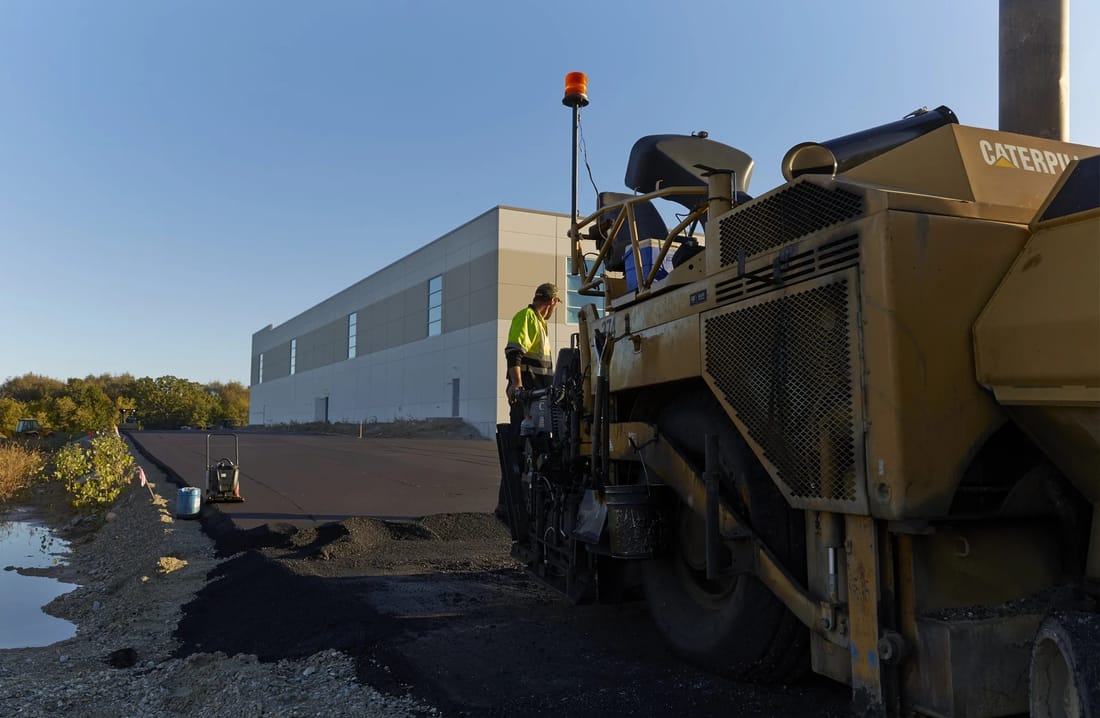
Before asphalt installation we typically apply a tack coat on any existing paved tie ins and on dense graded aggregate if conditions call for it. This helps bond the new asphalt to the base or adjacent pavements. Asphalt is then placed in one or more lifts using a paver, not just raked by hand, which ensures even thickness and smoother rides. We use steel drum and pneumatic rollers to achieve proper compaction, targeting 92 to 96 percent density for most commercial mixes.
Finally, we cut clean joints where new asphalt meets existing roads or sidewalks, seal those joints, and install thermoplastic or paint striping after the asphalt has cooled. Signage, wheel stops, and any required concrete work for ramps or curbs are completed so that the property is fully functional and compliant when we turn it back over to you.
Pricing, Scheduling, and Norfolk-Specific Considerations
The cost of a commercial gravel to asphalt conversion in Norfolk depends on several factors: base repair needs, required asphalt thickness, drainage improvements, site access, and project phasing. Lots with deep, well compacted gravel and good drainage are the most economical to convert. Sites with soft clay, standing water, or years of contaminated stone from mud and organic material require more excavation and new stone, which increases cost but prevents premature failure.
Access can change pricing as well. Tight urban locations around downtown Norfolk or Ghent often require smaller equipment, more hand work, and coordination with neighboring properties, all of which affect time and labor. If work must be performed at night or in strict phases to keep a facility open, like for medical offices or 24 hour operations, we schedule accordingly and factor that into the proposal.
For this region, the best paving window is generally late March through early November when daytime temperatures and overnight lows are suitable for proper asphalt compaction and curing. Winter work is possible in some cases, but for conversions that involve substantial base work and new asphalt, we usually recommend scheduling during warmer months to maximize quality and longevity.
When we meet onsite, Precision Asphalt Norfolk will outline at least two practical options if possible, for example a standard life cycle solution and a heavier duty design for truck intensive use. We will also discuss future maintenance expectations so you can compare true long term costs rather than just the initial paving price.
Common Issues, Maintenance, and Why Local Experience Matters
Commercial gravel to asphalt conversions can run into some predictable problems if they are not planned correctly. Hidden underground utilities, unrecorded drains, or buried debris are common in older Norfolk properties. Precision Asphalt Norfolk addresses this by coordinating utility locates, using test pits in suspect areas, and adapting the plan if we find unsuitable materials beneath the gravel. We will inform you immediately of any conditions that affect cost or schedule and provide options instead of surprises.
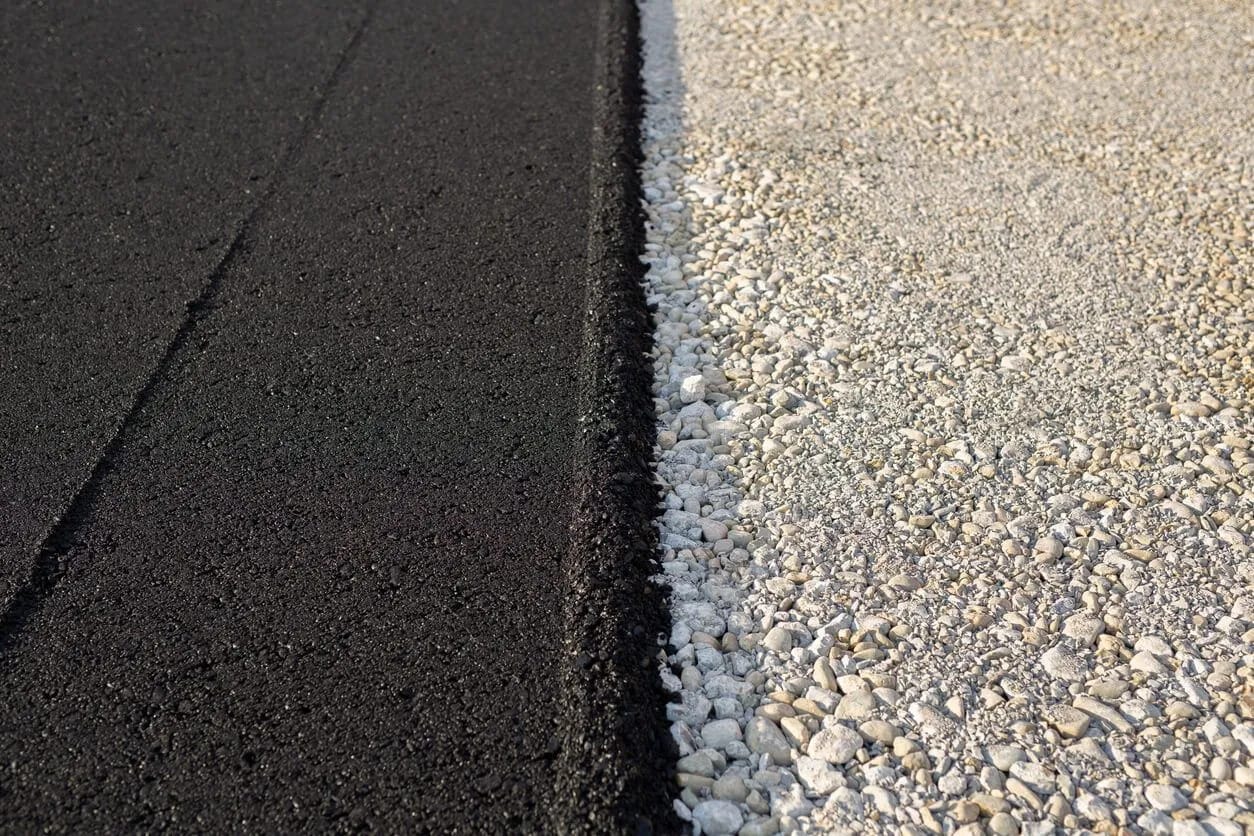
Drainage and edge support are other frequent trouble spots. Gravel lots often spread out beyond their original limits, with vehicles driving off the edge into soil. When you convert to asphalt, unsupported edges can crack and crumble. We address this with defined edges, such as asphalt edge strengthening, select use of concrete curb, or widening the stone base beyond the finished asphalt edge so the pavement has full structural support.
After the conversion is complete, you can expect 15 to 25 years of service life from a properly designed commercial asphalt surface if you keep up with basic maintenance. This includes sealing cracks before water intrusion, repairing localized failures from spills or heavy loading, and periodic sealcoating if appropriate for the traffic type. Our team can provide a maintenance plan specific to your property, including recommended inspection intervals and budget ranges.
Local experience matters in Norfolk because of the combination of tidal influence, high water table locations, and frequent freeze thaw cycles in some winters. We know which areas tend to stay wet, how local soils behave under load, and which asphalt mixes perform reliably on commercial sites here. That knowledge, paired with a straightforward explanation of what your specific site needs, is what helps our commercial gravel to asphalt projects last instead of just looking good for a season.