Home › Gravel-to-Asphalt Conversions
Upgrade from a messy gravel drive with a gravel to asphalt driveway conversion in Norfolk, VA. We grade, compact, and pave over properly prepared bases for a cleaner, easier-to-maintain surface.
Precision Asphalt Norfolk provides professional gravel to asphalt driveway throughout Norfolk, VA, Virginia and the surrounding area. Our licensed, insured crew delivers safe, clean, on-time work with a free estimate before anything begins. Call (757) 908-3635 or request your free quote.
Turn Your Gravel Driveway Into Smooth Asphalt in Norfolk
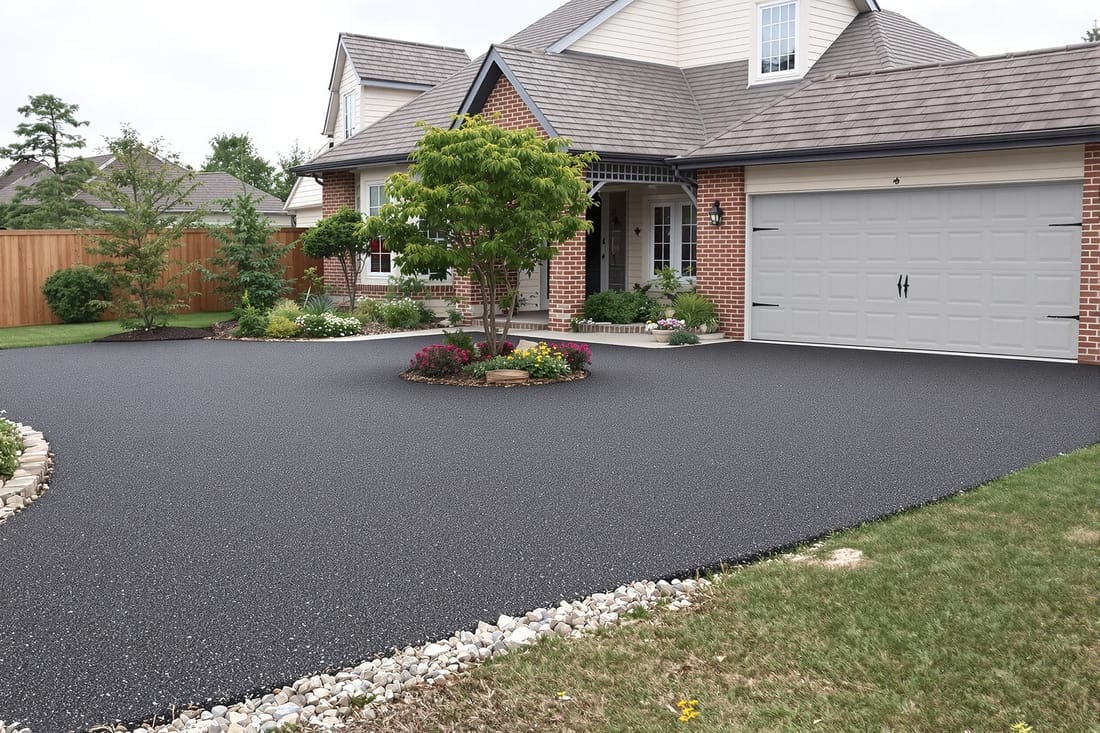
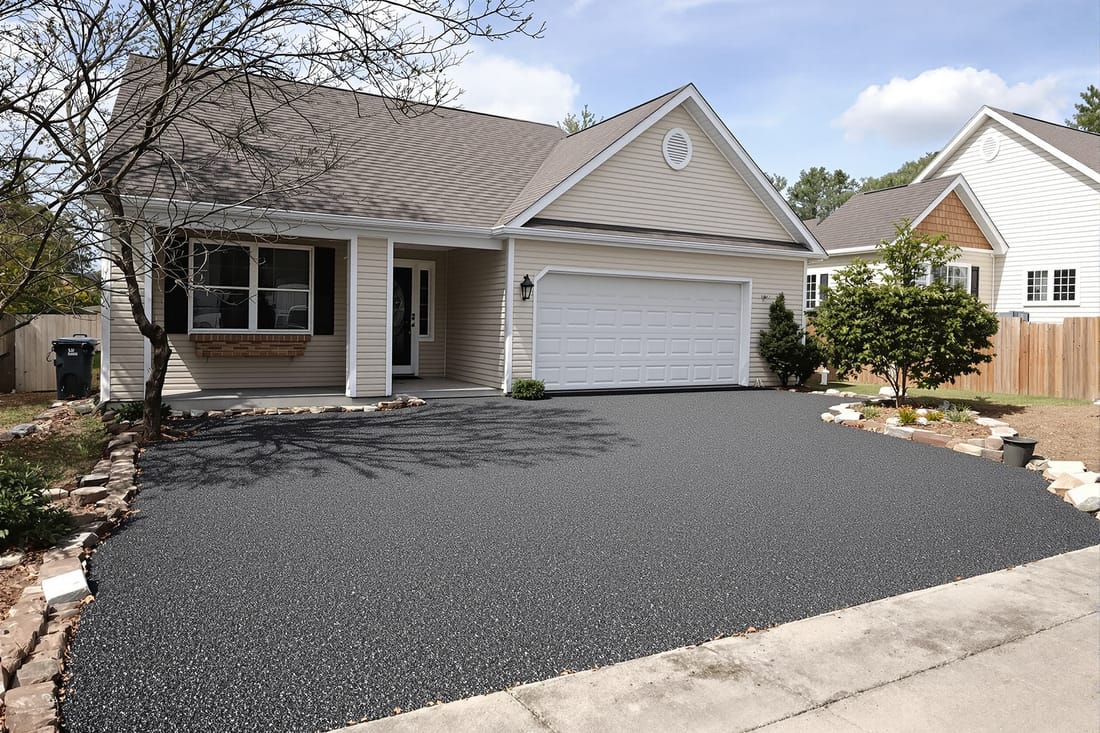
If you are tired of dust, ruts, and loose stone, Precision Asphalt Norfolk can turn your gravel driveway into a clean, quiet asphalt surface that actually holds up to coastal Virginia weather. We focus specifically on gravel to asphalt driveway conversions in Norfolk and the surrounding cities, so we know how local soil, drainage, and traffic patterns affect your finished driveway.
A conversion is not just spreading asphalt on top of gravel. Done correctly, we evaluate the base you already have, correct soft spots, set drainage, and then build up the right asphalt structure on top. Our crews are used to Norfolk conditions, from older homes near Ghent with tight access, to longer rural style gravel driveways in the outskirts near Chesapeake and Virginia Beach.
From the first visit, we walk the driveway with you and point out issues like standing water, low spots near the road, or areas where the gravel has pushed into the subsoil. We explain how those problems will be handled before we ever schedule paving. If we do not think a section is ready for asphalt, we tell you why and what it will take to make it right instead of just paving over a bad base.
How Gravel-to-Asphalt Conversion Actually Works
A successful gravel to asphalt driveway install in Norfolk starts with the base. In many cases, your existing gravel is an asset, but it has to be corrected and compacted. We typically begin by grading the entire driveway with heavy equipment to create a consistent slope away from the house and garage. This step is critical here because Norfolk gets intense summer storms, and trapped water will break up asphalt from below.
Once the shape is right, we address soft or pumping areas. These are spots where your tires sink after rain or where mud pushes through the gravel. We dig out those zones and replace the poor soil with compactable aggregate. In some North and East Norfolk neighborhoods with silty or marsh-influenced soils, we may install a geotextile fabric under new stone to separate the base from the native ground.
After repairs, we bring in additional crushed stone if needed, usually a compactable aggregate such as 21A or crusher run. We spread it to the designed thickness and compact it with a vibratory roller in multiple passes. The goal is a firm surface that does not shift under foot or tire. Any weak area now will become a crack or pothole later.
With the base tight, we apply a tack coat where needed, then place hot mix asphalt while it is still at the correct temperature from the local plant. For most residential gravel to asphalt driveway conversions in Norfolk, we install a 2 to 3 inch finished asphalt layer, sometimes in two lifts if the driveway will see heavy loads like work trucks, boats, or RVs. We then roll the asphalt smooth, seal the edges, and make sure transitions to the street and garage are comfortable to drive over.
Options, Design Choices, and What Affects Cost
Every gravel to asphalt driveway is a little different, and we walk you through the choices that actually matter for performance and price. The biggest cost driver is base preparation. If your existing gravel is thick, well drained, and mostly level, we can keep more of it and focus on fine grading and compaction. If we find shallow gravel, heavy rutting, or poor soil underneath, we will need more excavation and new stone, which increases labor and material cost.
Driveway size and layout also play a role. Long or winding driveways, or those that widen out into parking areas, require more hand work around edges, fences, and landscaping. Tight city lots in Norfolk sometimes need smaller equipment and more manual labor, especially near sidewalks and shared alleys.
You will have a choice of asphalt mix and thickness based on use. For light residential driveways used mainly by passenger vehicles, a standard Virginia Department of Transportation style surface mix at 2 to 2.5 inches is often sufficient if the base is strong. If you park large work trucks, trailers, or a motorhome, we may recommend a thicker section or a binder course under the surface layer, which improves durability but adds cost.
We can discuss edging options as well. Some homeowners want a clean asphalt edge that feathers into the lawn, while others prefer concrete, pavers, or timber edging. These extras are not required for function, but they can help keep gravel shoulders tidy and improve curb appeal.
During the estimate, Precision Asphalt Norfolk explains each cost factor line by line. You will see how much is tied to base work, asphalt tonnage, and layout so you can make informed decisions instead of guessing.
Local Norfolk Conditions: Drainage, Weather, and Long-Term Performance
Norfolk has its own set of challenges for a gravel to asphalt driveway project. High water tables, tidal influence, and clay or silty soils in certain neighborhoods create drainage concerns that we have to solve before we ever think about asphalt. We pay close attention to where storm water currently flows off your gravel, and where it ponds. On many conversions we add shallow swales, adjust driveway crown, or install simple pipe crossings so that water has a clear path away from your pavement.
Summer heat in coastal Virginia also affects asphalt. We schedule paving to avoid laying asphalt on saturated base or during heavy rain forecasts. When possible, we plan work times so the asphalt has time to cool and set up before the evening storms that are common here. Our crews use local plant mixes that are designed for the region and we monitor temperature during placement so the mat compacts correctly.
Traffic patterns matter as well. In older Norfolk neighborhoods with on-street parking, we are careful about how your new asphalt driveway ties into the curb or apron so that it does not create a lip that catches low bumpers. On rural style properties, we look at where deliveries and trash trucks turn so we can reinforce those turning areas if necessary.
We also talk through realistic maintenance. Norfolk’s mix of sun, salt air, and occasional ice events means your new asphalt surface will benefit from routine checks for small cracks and prompt repairs. While sealing is not mandatory for structural performance, many homeowners choose to seal coat a few years after installation to improve appearance and slow surface aging. We explain the pros and cons so you can decide what fits your goals and budget.
What To Expect When You Hire Precision Asphalt Norfolk
When you contact Precision Asphalt Norfolk about a gravel to asphalt driveway project, we start with a site visit, not a ballpark phone number. We look at your existing gravel thickness, soil type, drainage, and access for equipment. You get a written proposal that spells out base repairs, stone additions, asphalt thickness, and any extras like edging or minor drainage work.
Before work begins, we give you a clear schedule and explain what you will need to handle, such as moving vehicles, noting sprinkler heads, or trimming low branches that might block equipment. On most average sized residential conversions, active work takes one to two days, longer for extensive base repairs or very long driveways.
During construction, we keep your property as tidy as the work allows. Spoil material is hauled off, edges are cleaned up, and transitions to the street or existing concrete are shaped for smooth driving. We compact the new asphalt thoroughly and check for proper pitch by running water where necessary.
After the driveway is paved, we explain curing time and usage guidelines. Typically, you can walk on it the same day, but we recommend waiting at least 24 to 48 hours before parking vehicles, and a little longer for heavy trucks, especially in hot weather. We advise against sharp turns in place, parking motorcycles on kickstands without pads, or placing trailers with tight jack stands on fresh asphalt for the first few days.
Finally, you will know who to call if questions come up. Since we are a local Norfolk company, we stand behind our work and are available to address issues like early settlement at edges or small drainage tweaks. The goal is not just to replace your gravel, but to give you a driveway that looks good, drains correctly, and feels solid under your tires for years.