Home › Asphalt Resurfacing & Overlays
Asphalt resurfacing in Norfolk, VA is a cost-effective way to restore a worn driveway without full replacement. We repair problem spots, apply a new asphalt overlay, and leave you with a smooth, fresh surface.
Precision Asphalt Norfolk provides professional asphalt resurfacing throughout Norfolk, VA, Virginia and the surrounding area. Our licensed, insured crew delivers safe, clean, on-time work with a free estimate before anything begins. Call (757) 908-3635 or request your free quote.
Asphalt Resurfacing in Norfolk, VA: What It Really Means
If your driveway, parking lot, or private road is cracked and rough but not completely falling apart, asphalt resurfacing is often the smartest way to bring it back to life without paying for a full tear out. At Precision Asphalt Norfolk, we focus on resurfacing and overlays that match the way pavement actually ages here in coastal Virginia.
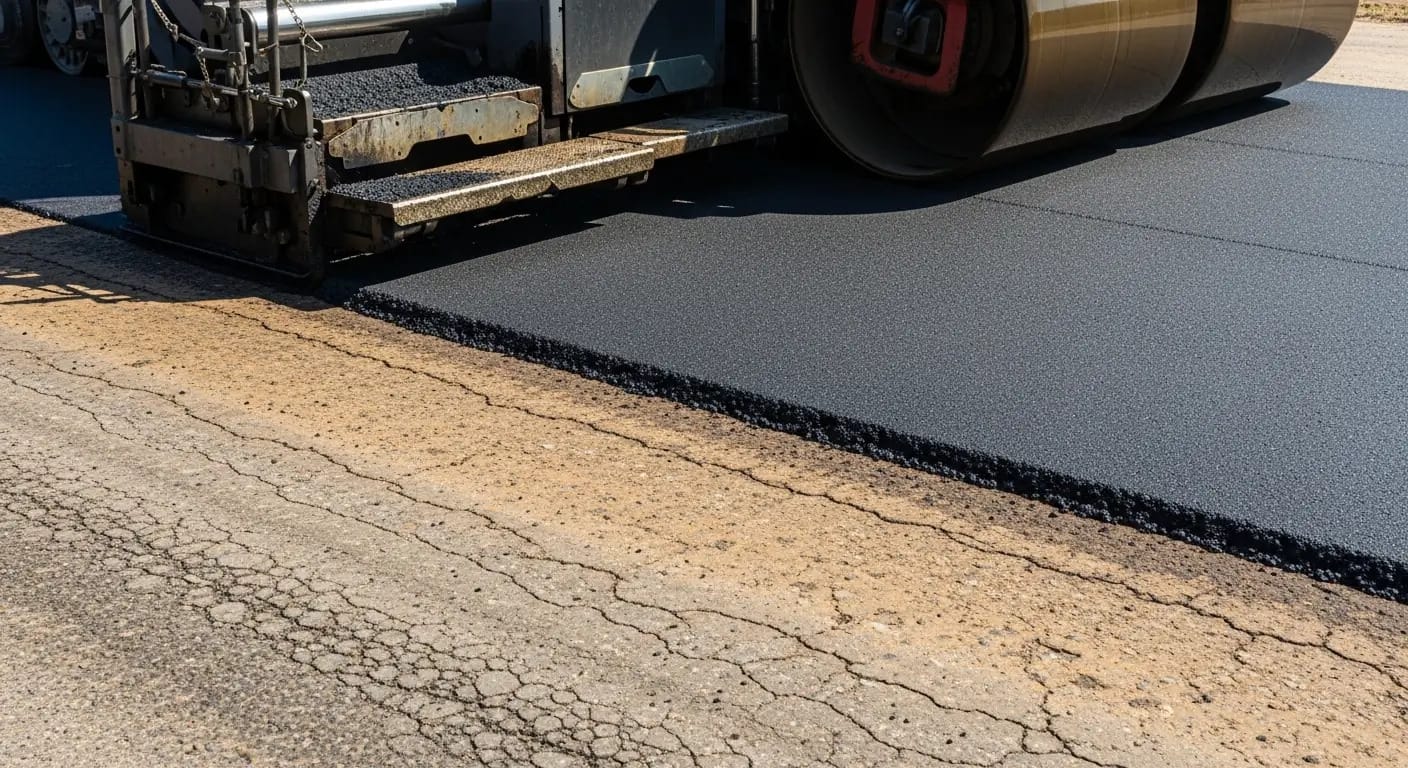
Resurfacing means we keep the existing asphalt base that still has structural strength, repair the worst trouble spots, then install a new layer of asphalt on top. The result looks like new pavement, but it costs less and can be done faster than a complete replacement. This is ideal for Norfolk properties where the base was installed correctly years ago but the surface has taken a beating from traffic, UV rays, and our hot, humid summers.
Norfolk’s climate plays a big role in how and when we resurface. Our heat and humidity soften asphalt, and sudden thunderstorms push water into small cracks. In winter, even a few freeze and thaw cycles can pop those cracks open. That is why a big part of our resurfacing work is identifying and fixing underlying drainage and base problems before we put down new asphalt. If those are ignored, the new surface can start failing in a couple of years instead of giving you the decade or more of service it should.
How Our Asphalt Resurfacing & Overlay Process Works
When you call Precision Asphalt Norfolk for asphalt resurfacing, we follow a consistent, step by step process so you know what is happening at every stage.
1. Inspection and core evaluation: We walk the site with you and look for signs that the base is still sound. These include how the cracks run, whether the surface is pumping water under truck traffic, and how the pavement behaves at the edges. On larger lots or heavily loaded drive lanes, we may recommend core sampling or test pits to see the thickness and condition of the existing asphalt and stone base.
2. Repair of failures, not just cracks: Before any new asphalt goes down, we cut out and remove areas with alligator cracking, potholes, and sinking spots. These are patched with new base stone and binder course so they do not mirror through the overlay later. Simple surface cracks can be routed and filled, but structural failures have to be rebuilt.
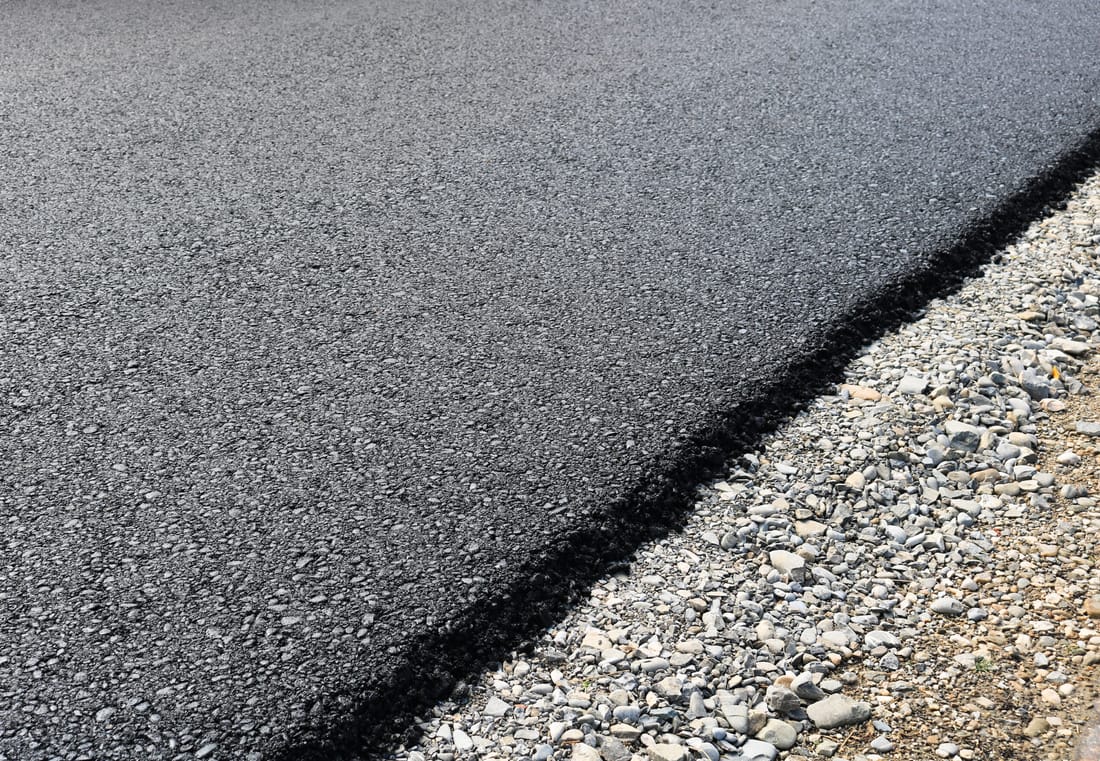
3. Edge milling and transitions: To avoid a high lip where your new surface meets the street, sidewalk, or garage floor, we typically mill (grind down) the edges. This lets us install a uniform overlay thickness while still tying into existing concrete or asphalt at a smooth, safe transition.
4. Surface cleaning and tack coat: We thoroughly clean the pavement with blowers and brooms to remove dust and debris, then apply a tack coat, which is a bonding layer of asphalt emulsion. A good tack coat is what makes the new overlay grab the old pavement instead of sliding over it like layers of a sandwich.
5. Laying and compacting the overlay: We install hot mix asphalt using a paver for larger areas and hand tools for tight spaces. Rollers compact the mix to the specified thickness, usually between 1.5 and 2.5 inches for overlays. Compaction is timed with mix temperature, which matters a lot in Norfolk’s changing weather, so we plan our deliveries and crew size to get density before the mix cools.
6. Final detail work and striping: Once the surface is compacted, we address joints, hand tamp around drains and curbs, and add any needed pavement markings. For commercial lots, we usually return the next day to stripe once the surface has cooled and cured enough to hold crisp lines.
What Affects the Cost of Asphalt Resurfacing in Norfolk
Resurfacing is usually more affordable than full replacement, but there are several real world factors in Norfolk that affect price. We are always happy to walk you through why one property might cost more than another.
Existing pavement condition: If your lot or driveway has scattered cracks but a solid base, resurfacing is straightforward. If there are widespread alligator cracks, ponding water, or sunken areas from truck traffic, we will need more localized base repairs before installing the overlay. Those cut out and rebuild areas add labor and materials, but they keep you from resurfacing again in just a few years.
Thickness of the overlay: A simple residential driveway that sees light car traffic might only need about 1.5 inches of new asphalt. A commercial lot, delivery area, or road with heavier loads may require 2 to 3 inches, sometimes in multiple lifts, to avoid rutting and premature wear. More thickness means more tons of asphalt and more roller time, which affects cost.
Access, layout, and drainage: Tight cul de sacs in older Norfolk neighborhoods, small alleys, or lots broken into many small islands around landscaping are less efficient to pave than wide open areas. If we need to address drainage issues, such as milling new swales, raising or adjusting manholes and inlets, or creating proper slope to get water to drains, that extra work is reflected in the estimate but pays off in longer pavement life.
Timing and traffic control: For busy apartment complexes and retail centers, staging is often required so you can keep access open for tenants and customers. Working in smaller phases, off hours, or overnight can slightly increase project cost, but it is often the right choice to limit disruption and avoid towing vehicles.
Norfolk Specific Tips: When and Where Resurfacing Makes Sense
Not every worn surface is a good candidate for asphalt resurfacing. Precision Asphalt Norfolk will tell you honestly when an overlay is smart and when your money is better spent on full replacement.
Good candidates: Pavement that is 10 to 20 years old, has mostly surface level issues, and drains well is usually ideal. A driveway with scattered cracks and a few isolated potholes, or a shopping center lot that looks gray and oxidized but is still firm underfoot, are strong overlay candidates. These surfaces can usually support a new layer once we patch the worst spots and address any drainage quirks.
Poor candidates: If you see widespread heaving, deep ruts where trucks sit, or large areas of standing water that do not disappear soon after a rain, the base is likely compromised. Placing an overlay on top can hide those symptoms for a short time, but the same movement and water will break through again. In those cases, we will often recommend partial or full reconstruction instead of resurfacing.
Best timing in Norfolk’s climate: For our area, late spring through early fall is usually the best window for overlays. Daytime temperatures give us enough working time with the hot mix to properly compact it. In summer, we often schedule earlier starts or later afternoons so fresh asphalt is not laid in the peak heat where it can become too soft under rollers and early traffic. In cooler months, we watch the forecast closely so overnight temperatures do not drop so low that compaction suffers.
Traffic reopening: For residential driveways, we generally recommend keeping vehicles off the new overlay for 24 hours, longer if possible in very hot weather. For commercial lots, we often phase work so parts of the lot can reopen sooner. Foot traffic is usually safe much earlier, but heavy turning movements from vehicles are what can scar fresh asphalt if it is opened too soon.
Design Options, Long Term Care, and Why Work With Precision Asphalt Norfolk
Asphalt resurfacing is not just about laying blacktop and walking away. There are small design choices that affect how your surface looks and performs for the next decade.
Mix types and finishes: For overlays, we typically recommend a dense graded surface mix that balances durability with a smooth finish. In areas with frequent turning or heavy vehicles, we may lean on mixes with a slightly coarser aggregate blend to resist scuffing. Around Norfolk’s waterfront and low spots, we also pay attention to how the surface texture handles water, since a slightly more textured finish can improve skid resistance in wet conditions.
Line striping and layout upgrades: When a lot is being resurfaced, it is a great time to correct awkward traffic patterns or faded layouts. We often help Norfolk property owners tweak parking angles, add or widen accessible stalls, or improve traffic flow near drive thru lanes. Because we are starting from a clean black surface, markings are highly visible and can be redesigned to fit current needs.
Long term maintenance: After the overlay is installed, periodic crack sealing and proper drainage maintenance go a long way toward extending its life. Keeping gutters clear, making sure downspouts do not dump directly onto the pavement, and addressing any new cracks early are simple steps that prevent water from undermining your investment.
Choosing Precision Asphalt Norfolk means you get a local team that works on Norfolk streets, driveways, and commercial lots every week. We understand how the soil conditions, traffic patterns, and weather in this part of Virginia affect resurfacing success. We will walk your site, explain what we see in plain language, and give you a clear plan that matches your budget and how you actually use your pavement. If you are considering asphalt resurfacing or overlays, we are ready to look at your pavement and tell you whether it is truly the right solution.